Our Story
Since the 16th century, Tenuta Augusta has seen empires rise and fall. Overlooking the plains between Padua and Venice from the quaint Berici Hills, it sits within a landscape farmed since Roman times. The estate stands at the crossroads of seclusion and cultural proximity.


Our Past
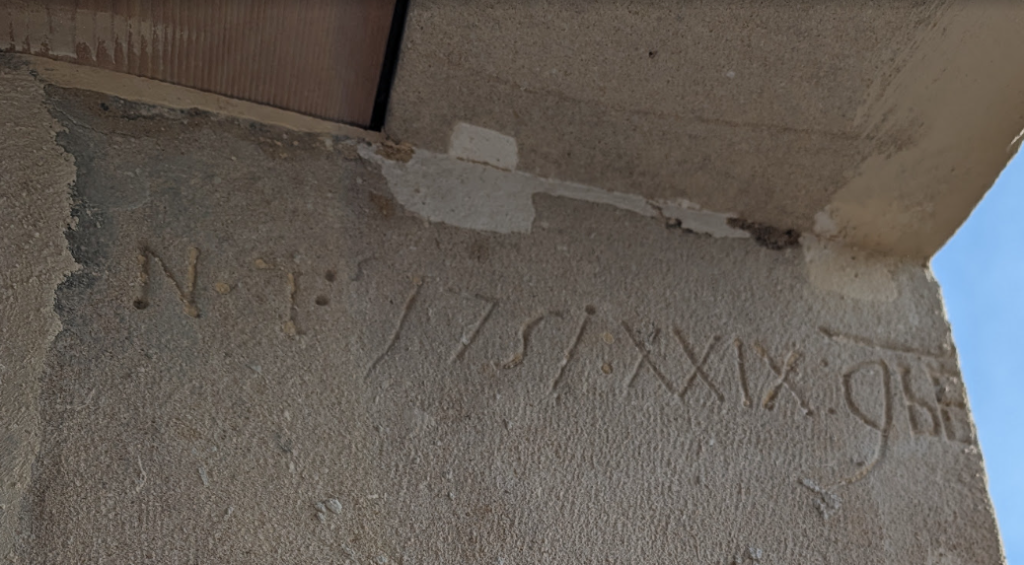
Tenuta Augusta – once known as Villa Augusta – bears silent witness to centuries past. Its first written testimony is found in Aurelio Tassis’ 1671 tax records. After that, the villa underwent substantial renovation in 1751, witnessed by stone carvings by Nicolò Tassi, a prominent landowner in Mossano of the late 1700s. The property’s story reaches further back: architectural clues reveal that the villa incorporates much older construction. Its original doorways and windows – smaller in size with fully arched tops – were found hidden behind later plaster and masonry, features characteristic of 16th-century building techniques.
By the early 1900s, Villa Augusta had transitioned from a noble residence to a working farmhouse. An old postcard from the early 20th century shows the villa already cherished as a local landmark. However, modern times were less kind. During decades of abandonment, the grand rooms gathered dust and the elements took their toll, though remarkably little vandalism occurred. This long slumber finally ended in 2025, when we began a careful restoration.
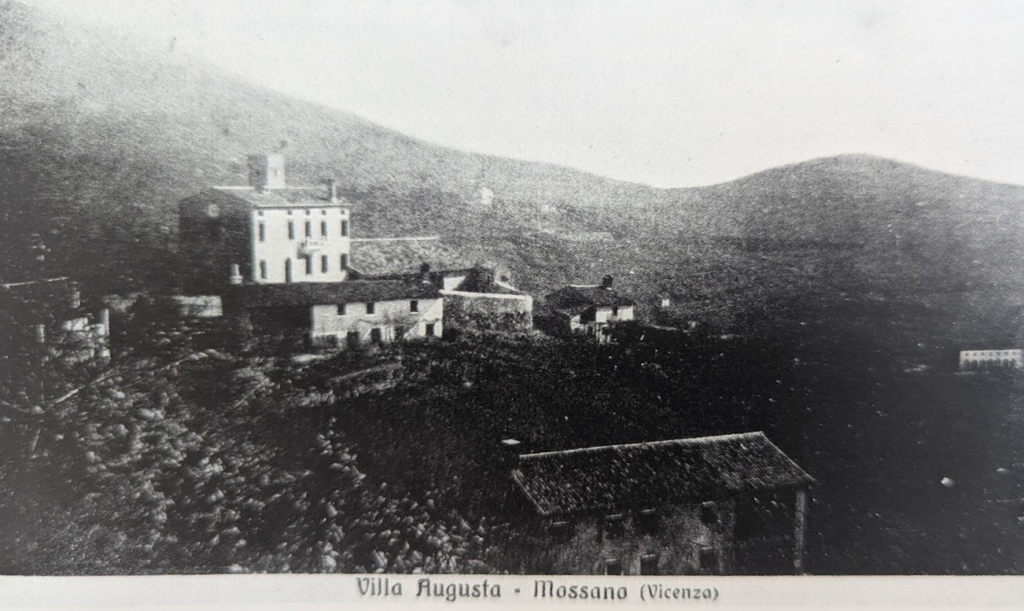
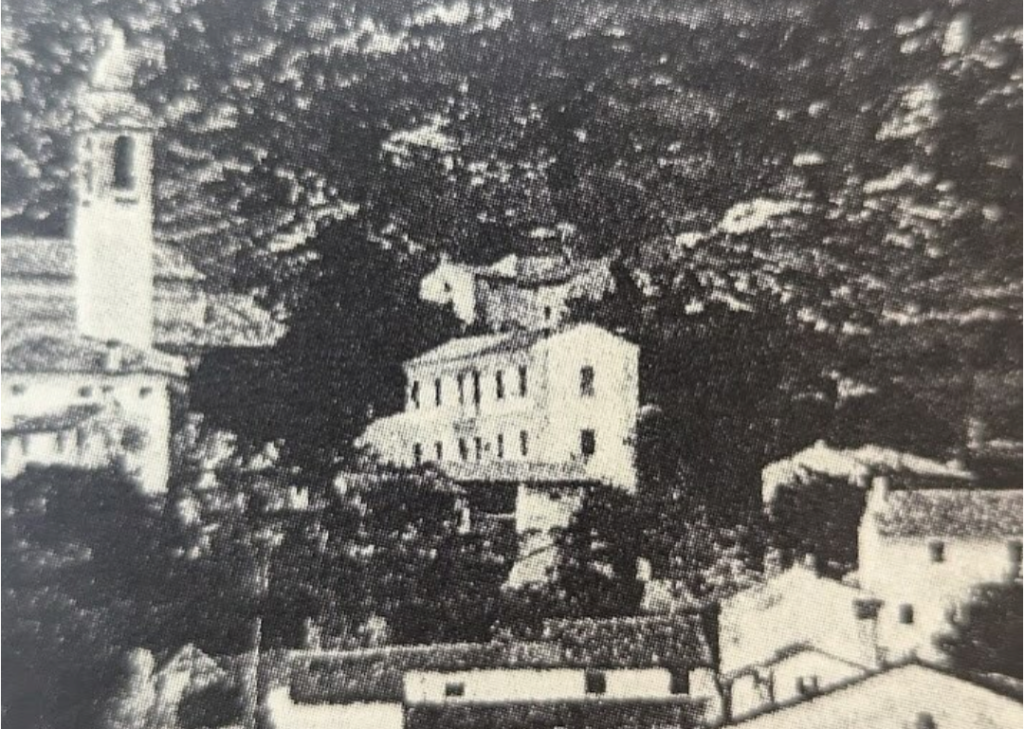
The Tassi Lineage and the Postal Legacy
The story of Tenuta Augusta is intertwined with that of the Tassi family of Mossano, whose very name points to a legendary legacy in European communications. The Tassi of Mossano are believed to be part of the wider Tasso (or Tassis) family, a Lombard lineage renowned for organizing the Venetian Republic’s courier system and, later, the imperial postal service. In fact, members of the Tasso family were operating as mail carriers for the Republic of Venice and for powerful patrons like the papacy and the Habsburg emperor by the 15th and 16th centuries.
Over generations, the Italian name “de Tassis” was germanized to Thurn und Taxis, the name under which this dynasty became princes and ran much of Europe’s mail service for centuriesa. The Thurn und Taxis family held a virtual monopoly on continental postal routes from the 1500s up to the 19th century, a lineage that began with those enterprising Venetian couriers long ago.
In Mossano, the local Tassi branch carried echoes of this illustrious heritage. The family crest of the Tassi is a French-style fleur-de-lys, a lily motif that was discovered carved in stone above the villa’s fireplace.